Jan 19 ,
2026
Why Australia’s Cheaper Home Batteries Program Signals a New Era for Energy Storage
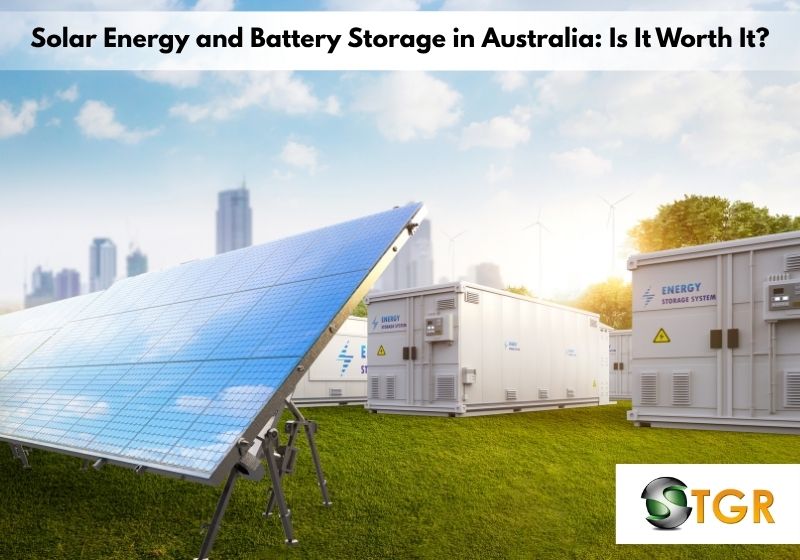
Australia’s energy transition has long been driven by rooftop solar, but battery storage is now
taking center stage. From our perspective at Think and Grow Renewable, the Cheaper Home
Batteries Program represents more than a rebate; it marks a structural shift in how households
and businesses engage with energy.
With official updates released in December 2025 and major changes scheduled for 1 May 2026,
the program is shaping the next phase of Australia’s clean energy journey.
From Solar Generation to Energy Retention
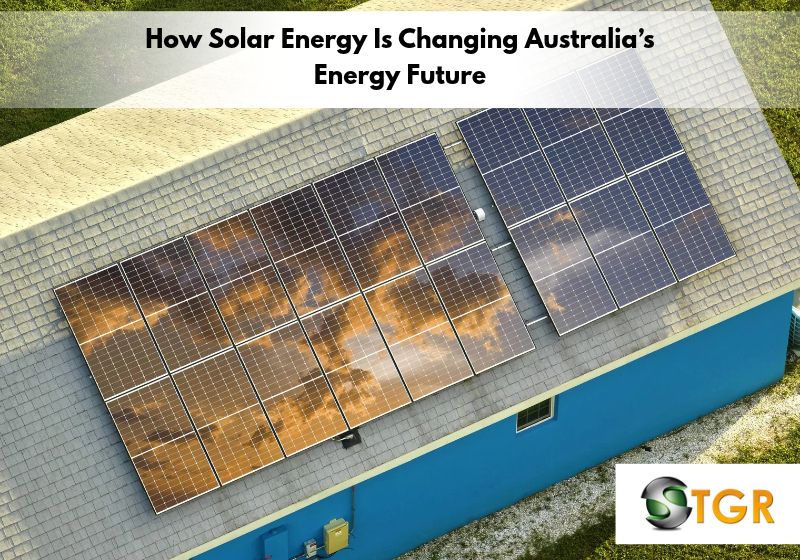
Australia leads the world in rooftop solar adoption, with millions of homes generating clean electricity every day. Yet for years, most of that energy flowed straight back to the grid. Batteries were discussed, but high upfront costs kept adoption low. What has changed is not just pricing, it’s intent. The Cheaper Home Batteries Program is designed to help Australians store the energy they already generate, making solar systems more practical, flexible, and future-ready. This shift from exporting energy to retaining it is one of the most important developments we’ve seen in residential energy.Why This Program Matters Right Now
Energy costs, grid congestion, and peak demand pressures are no longer abstract issues; they’re household concerns. The program addresses these realities by reducing the barrier to battery ownership and encouraging smarter energy use. From our experience, homeowners are increasingly motivated by- Reducing exposure to rising electricity prices
- Using stored solar energy during evening peaks
- Improving household energy security
- Maximising the value of existing solar systems
Understanding the Direction of the Program
Rather than offering a one-off incentive, the program is structured to evolve. The battery discount is delivered through Australia’s existing renewable energy framework and is reviewed regularly to reflect falling technology costs. This approach sends a clear message: battery adoption is being encouraged as a long-term national priority, not a short-lived subsidy. From May 2026 onward, planned adjustments are intended to:- Keep battery discounts proportionate to system size
- Align support with market pricing trends
- Ensure the program remains sustainable through to 2030
To know more (for official program details and updates):
Cheaper Home Batteries Program Australian Government Last updated: 19 December 2025 https://www.dcceew.gov.au/energy/programs/cheaper-home-batteries#toc_1What This Means for Households and Businesses
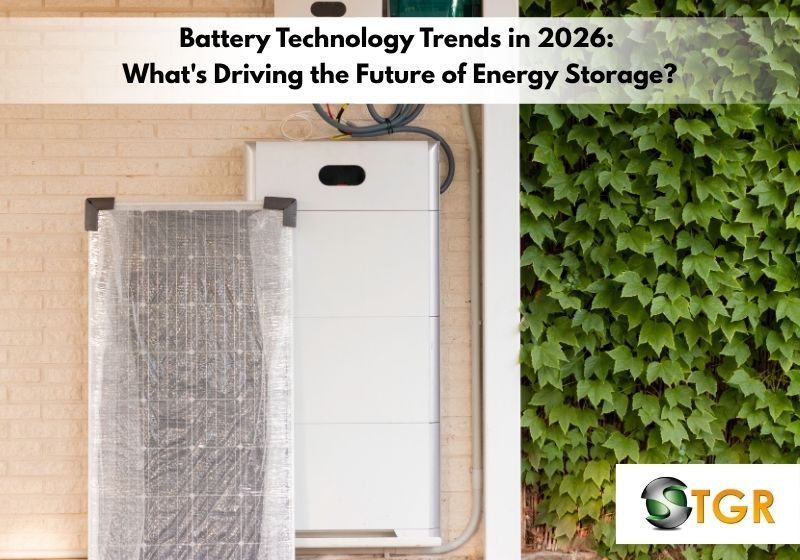
For households, batteries are becoming a logical next step after solar, not a luxury upgrade. For small businesses and community organisations, storage can play a crucial role in managing operating costs and reducing reliance on peak-time grid power. Importantly, the program is designed to work alongside other incentives, allowing eligible participants to combine support where permitted. This layered approach helps accelerate adoption without adding unnecessary complexity for consumers.A Focus on Safety, Quality, and Accountability
Another strength of the program is its emphasis on proper governance. Battery systems must meet technical standards, and installers must be accredited. This protects consumers and ensures systems are installed safely and permanently. From an industry standpoint, this reinforces trust in something critical as battery installations become more widespread across Australia.Looking Ahead to 2030
With expanded funding and long-term planning, the program is expected to support millions of battery installations over the coming years. The cumulative impact goes beyond individual households:- Reduced peak demand across the grid
- Improved energy stability
- Greater use of clean, locally generated power
Our Perspective at Think and Grow Renewable Transition
At Think and Grow Renewable, we see the Cheaper Home Batteries Program as a turning point. It reflects a growing recognition that energy storage is essential, not optional, in a modern renewable system. As battery technology continues to improve and costs decline, programs like this help bridge the gap between early adoption and mainstream uptake. The result is a smarter, more resilient energy landscape built one household and business at a time.Blog Sidebar
Search
Recent Articles