

Commercial Solar and Industrial Solar Power Solutions
For many commercial and industrial uses, electricity is a crucial requirement. Each of these uses requires electric power that is appropriate for the system, is readily available, and is affordable. Commercial solar companies help to use solar energy to build solar power plants to supply electricity.
Commercial solar system provide clean, renewable energy with minimum maintenance requirements and no carbon emissions, a global concern.
Solar for Business
We are providing rebates to small businesses that will cover up to 50 percent of the cost of a rooftop solar system with small businesses eligible for a maximum rebate of $3,500.
Commercial Solar Analysis
Step : 1
Analyze Energy Consumption
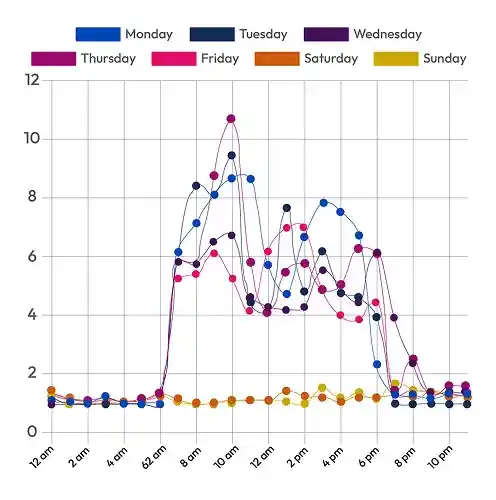
TGR, one of the most popular commercial solar companies will monitor and analyze the power usage of your business and suggest solar system accordingly to get maximum output. This analysis helps us tailoring a solar system that meets your business energy needs.
Step : 2
Solar energy system modelling
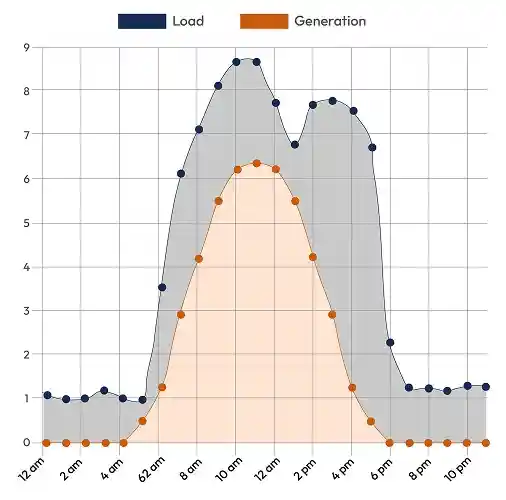
Think and Grow Renewable will carry out a comprehensive solar generation model to identify the right solar energy system for your business. Also, consider other unique aspects including your business property size, seasonal solar energy generation capacity and local grid requirements.
Step : 3
Achieve commercial solvency
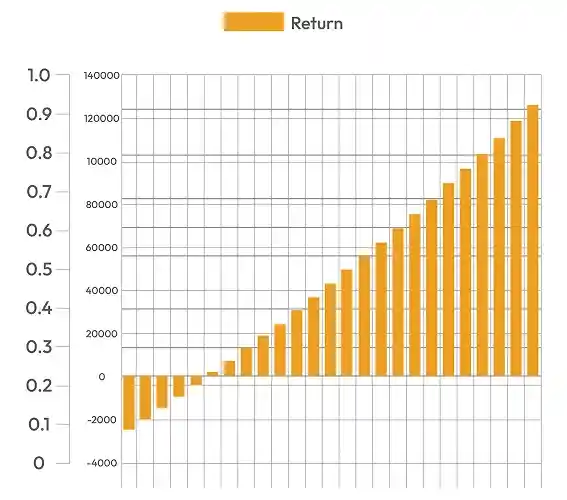
Studies stated that Commercial solar panels having solar energy system achieve 15-20% returns annually. Our system modelling ensures you the possible shortest payback period from your solar investment and keeps up for the long term.
Why invest in Solar?
High Return for Long Term
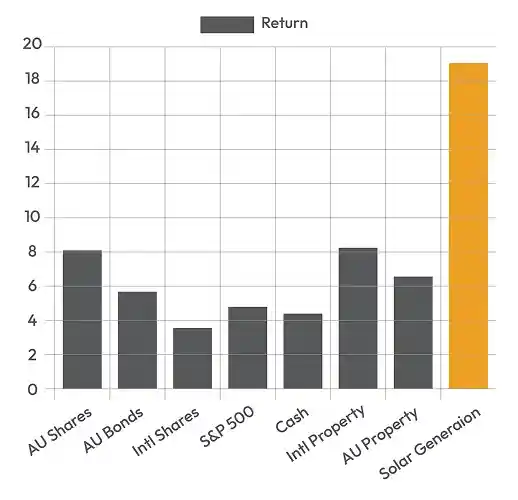
Studies stated that commercial solar companies help to build a solar energy system to achieve 15%-20% returns annually. Businesses can re-invest the returns earned from the solar system.
Positive cash flow in the short term
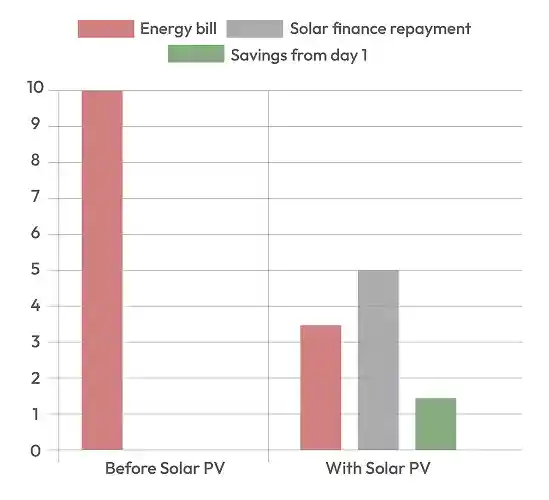
The development of green loans that provide competitive interest rates means that commercial solar companies offer systems that can be fully funded within 3-5 years, and a positive cash flow can be achieved in the first year.
Guide to Installing Solar PV for Business and Industry
Discover how Investing in Solar can Help Your Business
Go green with solar power
Currently, COMPANY A consumes 200kWh on average each day, with the majority of the energy being used during the day.
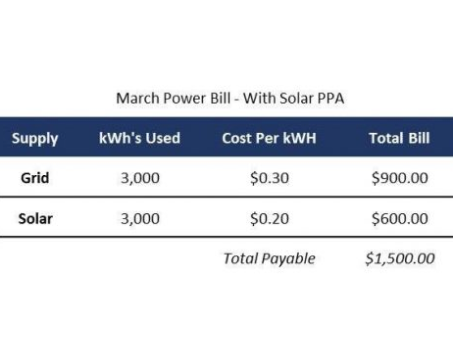
The cost for COMPANY A is $0.30 per kWh or 30c/kWh. As a result, they would receive a $60 invoice ($0.30 x 200kWh) for the energy they consumed on this particular day.
TGR has installed a 25kWP solar system at COMPANY A’s property which will supply and offset 100kWh of electricity usage per day.
This 100kWh will be billed to the customer by TGR at a negotiated rate of $0.20 per kWh, and the remaining 100kWh will be supplied as normal by the power company at 30c/kWh.
The power provider will send COMPANY A a $30 charge for the electricity they utilized from the grid. For a total of $50 in charges, they will also get a $20 invoice from TGR for the solar energy they consumed.
For this particular day, COMPANY A will save $15 as a result.
See how it would appear over the course of a month. There are zero initial fees, and COMPANY A is currently earning more than $3,000 annually.
FAQs
-
Why should businesses invest in commercial solar?Commercial solar helps businesses reduce electricity costs, protect against rising energy prices, and improve long-term profitability. By generating clean electricity on-site, businesses can lower operating expenses while reducing their environmental impact and working towards sustainability goals.
-
How much can a business save with a commercial solar system?The amount you save depends on your energy usage, system size, and operating hours. Businesses that use most of their electricity during the day often achieve the greatest savings because they can use more of the solar power they generate instead of purchasing electricity from the grid.
-
How do I know what size commercial solar system my business needs?The right system size is determined by analyzing your electricity bills, daily energy consumption, roof space, and future energy requirements. A professional solar assessment ensures your system is designed to maximize energy production and deliver the best return on investment.
-
Are there financing options available for commercial solar?Yes. Many businesses can choose from flexible financing options, including solar loans, leasing, or Power Purchase Agreements (PPAs). These options can reduce or eliminate upfront costs while allowing businesses to start saving on electricity from day one.
-
How long does it take for a commercial solar system to pay for itself?The payback period varies depending on electricity usage, system size, available rebates, and energy prices. Most commercial solar systems are designed to provide long-term savings, with many businesses recovering their investment within a few years while continuing to benefit from lower energy costs for decades.
LGC Explain For My Business
It is wise to be aware of LGS if you intend to migrate to commercial solar incentives >100KW. It is important to understand who qualifies for them and how they might help your company. It will significantly contribute to increasing your return on investment.
What is LGC - large-scale generation certificate?
Renewable energy can be purchased and sold using LGCs, or Large-scale Generation Certificates.
It is a certification program created in accordance with the RET, or renewable energy goal, of the federal government. The LGC sought to promote energy production from renewable resources and stimulate the reduction of carbon emissions in the production of power.
The trade of solar energy generated by installations larger than 100 kilowatts is governed by LGC. Each megawatt-hour (MWh) of qualifying electricity produced by a specific system or power plant results in the creation of a certificate.
Every month the electricity amount is calculated using the formula specified by the Australian Government’s Clean Energy Regulator. This number is used to apply for LGC applications, usually monthly, quarterly or yearly. If it is deemed eligible, an LGC will be created and added to the REC (Renewable Energy Certificate) registry. LGCs can be transferred to other parties once it is registered.
LGCs can be an ongoing revenue generation source for businesses having large-scale solar systems that will speed up the return on solar investment
Request a free quote