

Residential Solar Power Systems
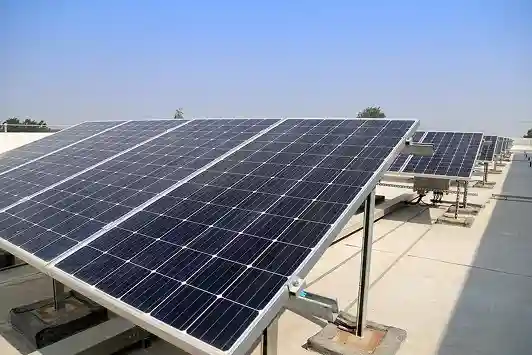
The objective of residential panels is to capture solar energy and use the photovoltaic (PV) effect to transform it into electrical power. Most homes have a roof or a backyard that can be utilized to install solar panels and produce electricity.
Residential Solar installation produces about 300 watts in an hour on a normal sunny day and requires a battery to store the energy to be used at night.
Residential Solar installation also needs an inverter to convert the DC power generated by the solar panels and stored in the batteries into AC power to run appliances or devices installed in the house. Interconnected and appropriate cable wiring makes sure the power flows from the right devices into the appliances that use them and is also available at all times and is in usable form.
Advantages of Residential Solar System
1
The residential solar installation uses Sunlight as the primary source of energy. Sunlight is a renewable energy source as it will be available for at least 5 billion more years as per the scientists of today.
2
Solar panels produce electricity that meets the energy needs of the household and result in a reduction in electricity bills. The amount of reduction each month depends upon the size of solar system installed and heat and electricity use of each system.
3
Residential solar installation can earn money for the user by selling the extra power generated back to the grid.
4
Residential solar systems are low on maintenance and only cleaning the panel surface every three months is needed to keep the system operating at max efficiency.
5
Residential solar panels can be used to power buildings in off-grid or remote locations. Solar panels can be used for water heating for household usage.
Solar Victoria and Government incentives
Large & Small Scale Renewable Energy Targets
The Federal government of Australia has defined a target of 33000 Gigawatts as per the policy for renewable energy. This accounts for 23.5% of Australia’s total electricity generation.
The Large-Scale Renewable Energy Target (LRET) and Small-Scale Renewable Energy Scheme are both parts of this renewable energy goal (SRES).
STCs
STCs are termed as Small Scale Technology Certificates.
STCs are eligible for small scale renewable energy installations under 100 kilowatt.
Small-scale solar, wind, or water systems produce STCs over one to five years or a single maximum deeming period.
1 STC is equal to 1 megawatt-hour of eligible renewable electricity either generated or displaced by the system.
Bring Smart Energy Management System To Your Home
You can now monitor, control, and optimize the energy performance of your home.Reduce your energy consumption in a smarter way. Discover how a home energy management system can help you save money on your power bills.
Reduce your electricity bill without making changes in your lifestyle
Create conditional rules for the operation of the device.
Run the system semi-automatically by allowing ‘machine learning’ to take over.
Control the flow of energy from solar panels (and other generators) throughout the home or between batteries.
Control devices remotely by turning them on and off.
Schedule the operation of devices.
Why should you consider a Home Energy Management System?
A home energy management system can be programmed as per your specific needs and wants. The system manages an array of appliances including solar PV, air conditioners, batteries, hot water heaters, pool filters, and electric vehicles.With a HEMS (home energy management system), you can make sure to use the amount of electricity you need at the lowest possible price.

Is it simple to use?
Home energy management systems (HEMS) monitor and display your energy consumption, usually via a smartphone app or website through a combination of hardware and software installed in your home. It lets you set schedules for appliances, turn them on or off, and control when they run.
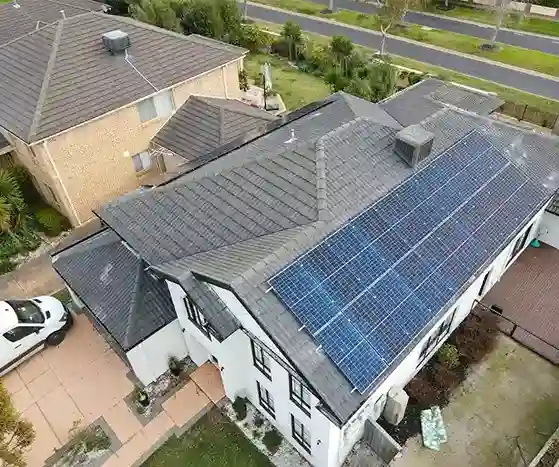
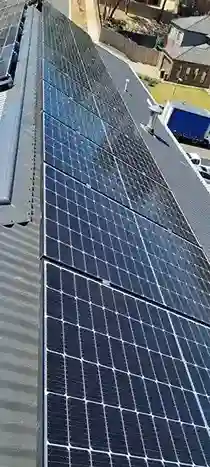
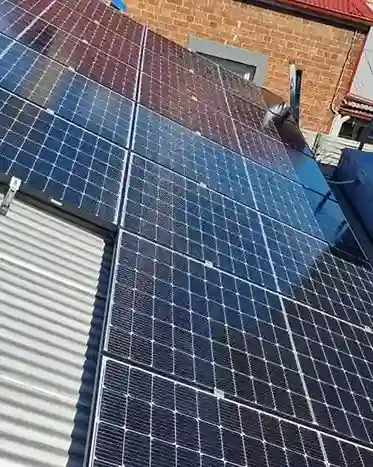
Our Residential Solar Projects
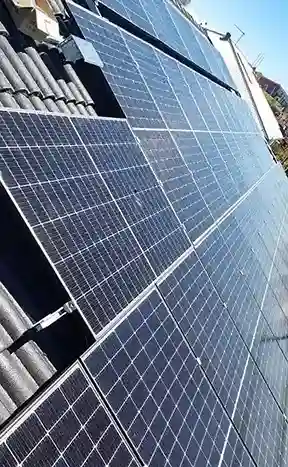
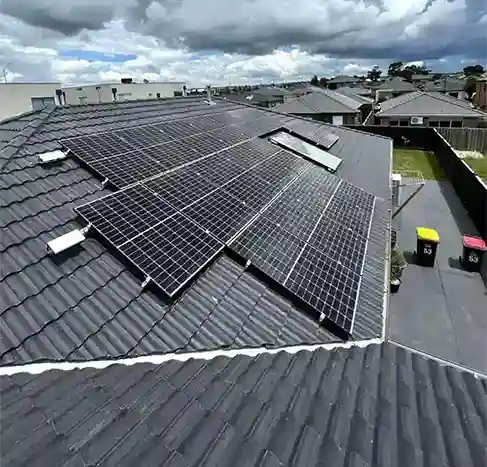
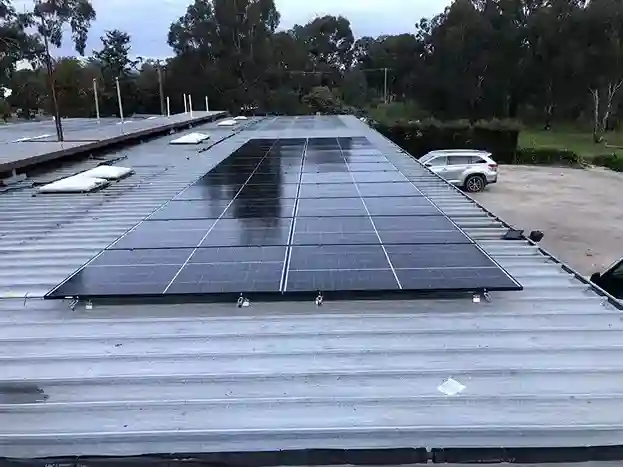
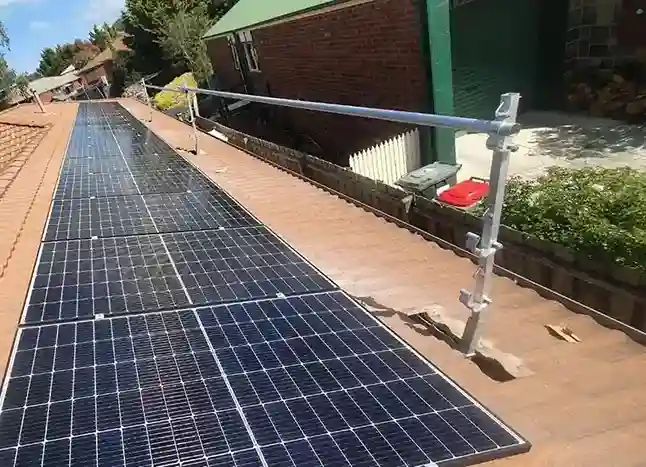
Residential Project Gallery
FAQs
-
Why should I install a residential solar system?A residential solar system helps homeowners generate clean electricity from the sun, reducing reliance on the grid and lowering monthly power bills. It also adds value to your home, reduces carbon emissions, and provides long-term savings, making it a smart investment for Australian households.
-
How do I choose the right home solar system?The right home solar system depends on your household's electricity usage, roof size, budget, and future energy needs. A professional solar assessment can recommend the ideal system size and panel configuration to maximize energy production and long-term savings.
-
How much can I save with residential solar panels in Australia?Savings from residential solar panels in Australia vary depending on your energy consumption, system size, and local electricity rates. Homes that use more electricity during the day typically achieve the greatest savings because they consume more of the solar energy they generate.
-
How long does residential solar installation take?A standard residential solar installation is usually completed within one day, although larger or more complex systems may take longer. After installation, your provider will complete the required inspections and grid connection process before the system is fully operational.
-
Do residential solar panels require regular maintenance?Residential solar panels require very little maintenance. Keeping the panels clean and arranging periodic inspections helps maintain peak performance. Regular system monitoring also allows any issues to be identified early, ensuring your solar investment continues to perform efficiently for many years.
Request a free quote