Oct 24 ,
2026
Energy Transformation Timeline: Key Milestones and Clean Energy Innovations in 2026
Introduction
The global energy industry has undergone a remarkable transformation, evolving from traditional fuel-based power generation to modern renewable energy systems. Over the years, technological advancements, increasing electricity demand, and environmental concerns have accelerated the shift towards cleaner and more efficient energy sources. In 2026, this transformation is entering a new phase. Solar power, advanced battery storage, smart energy management, and grid modernization are reshaping how electricity is generated, stored, and consumed. Understanding the energy transformation timeline helps explain how the world reached this stage and what the future of energy may look like.1. The Early Energy Era: Coal and Steam Power
The Industrial Revolution marked a major turning point in global energy consumption. During the 18th and 19th centuries, coal became a primary fuel for steam engines, manufacturing, and transportation. As industrialization expanded, electricity generation developed rapidly. Coal-fired power stations and other conventional energy sources became essential for supporting cities, industries, and growing economies. However, dependence on fossil fuels also contributed to greenhouse gas emissions and environmental challenges, encouraging the search for alternative energy sources.2. The Development of Modern Electricity and Batteries
The 19th and early 20th centuries brought important breakthroughs in electrical technology and energy storage. In 1800, Alessandro Volta introduced the voltaic pile, an early electric battery. Later, in 1859, Gaston Planté developed the rechargeable lead-acid battery, creating new possibilities for storing electrical energy. These innovations helped establish the foundations of modern battery technology. As electricity networks expanded, reliable power generation and storage became increasingly important for industrial, commercial, and residential applications.3. The Rise of Solar Energy
Solar technology developed over several decades, with a major breakthrough arriving in 1954 when researchers at Bell Laboratories demonstrated a practical silicon solar cell. Initially, solar technology was expensive and primarily used in specialized applications, including space programs. Continued research, manufacturing improvements, and reductions in production costs gradually made solar panels more accessible. By the 2000s and 2010s, solar energy was expanding rapidly across residential, commercial, and utility-scale projects. It became an increasingly important component of the global transition towards renewable electricity.4. The Renewable Energy Expansion: 2010–2020
The 2010s marked a significant period of growth for renewable energy. Solar photovoltaic systems and wind turbines became more competitive as technology improved and installation costs declined. Businesses and households increasingly adopted solar power to reduce dependence on conventional electricity sources. Governments, investors, and energy companies also expanded their focus on decarbonization and sustainable infrastructure. However, renewable energy generation introduced a key challenge: solar power depends on sunlight, while wind generation varies with weather conditions. This increased the importance of flexible electricity networks and energy storage solutions.5. Battery Storage Becomes a Key Energy Technology: 2020–2025
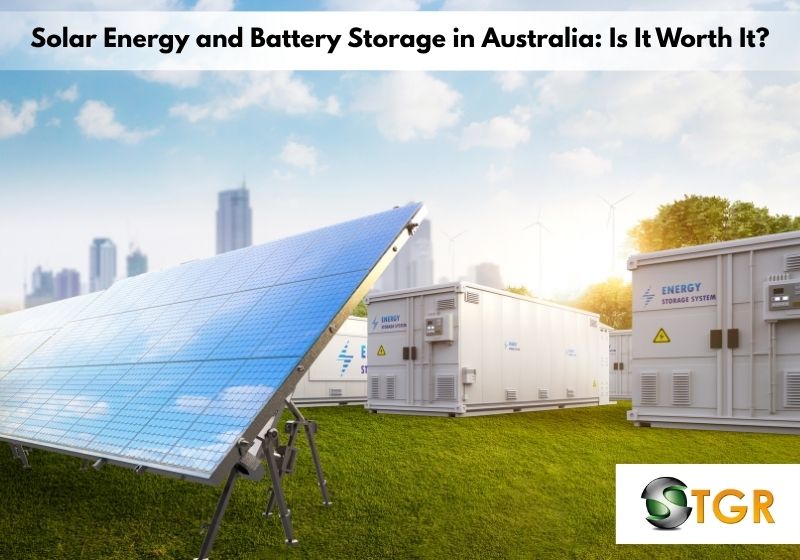
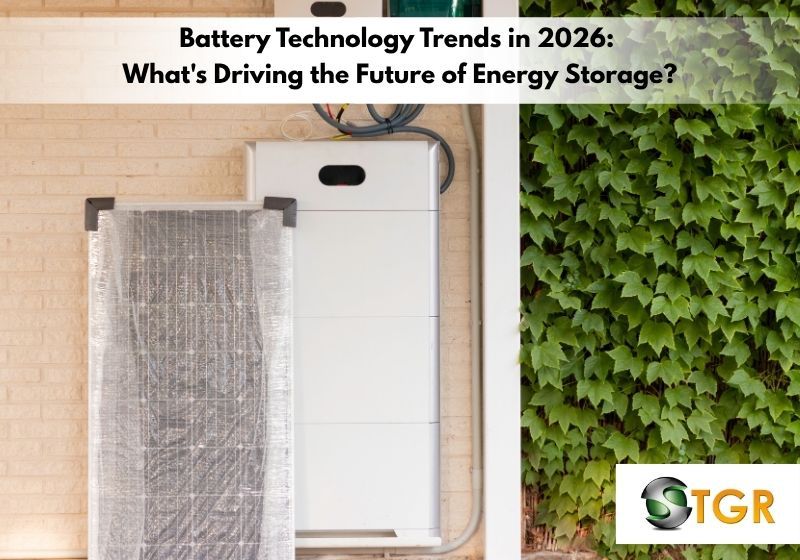
As renewable energy adoption accelerated, battery storage emerged as an essential technology for balancing electricity supply and demand. Battery Energy Storage Systems (BESS) can store surplus electricity when generation exceeds immediate demand and release it when electricity is needed. This helps integrate renewable energy into electricity networks and supports more flexible energy management. According to the International Energy Agency's Global Energy Review 2026, approximately 108 GW of new battery storage capacity was deployed worldwide in 2025, representing a 40% increase compared with 2024. This expansion highlights the growing importance of battery storage across utility-scale projects, commercial facilities, and other energy applications.6. Energy Transformation in 2026: Solar, Batteries, and Smarter Grids
In 2026, the energy transition is increasingly focused on integrating renewable generation with storage and modern electricity infrastructure. Solar Energy Continues to Expand : Solar power remains a major contributor to global clean electricity generation. According to Ember's Global Electricity Review 2026, solar supplied a record 10% of global electricity generation in the first half of 2026. As solar capacity grows, managing electricity production throughout the day becomes increasingly important. Energy storage can help capture surplus daytime generation and make it available during evening and other periods of lower solar output. Advanced Battery Storage : Battery technologies are continuing to evolve, with lithium iron phosphate (LFP) batteries widely deployed in stationary storage applications. Other technologies, including sodium-ion and solid-state batteries, are also attracting research and commercial interest. These developments aim to improve cost-effectiveness, safety, energy density, and overall performance. However, each technology has different capabilities, limitations, and levels of commercial readiness. Smart Energy Management : Digital monitoring, automated controls, and advanced energy management systems are helping businesses understand electricity consumption and optimize how energy resources are used. When integrated with solar panels and battery storage, these systems can help manage demand, improve the use of renewable electricity, and reduce exposure to certain electricity costs. Modernizing Electricity Grids : As renewable energy becomes a larger part of electricity generation, grid infrastructure must adapt to changing supply patterns and growing demand. Battery storage, transmission upgrades, and smarter grid management can help improve flexibility, support electricity reliability, and reduce the amount of renewable power that might otherwise go unused.7. What Comes Next? The Future of Energy Transformation
The next stage of the energy transition will depend on how effectively renewable generation, storage, and electricity infrastructure work together. Several developments are expected to influence the coming years:- Next-generation batteries: Research into new battery chemistries may provide additional options for different energy storage applications.
- AI-powered energy management: Data-driven systems can help forecast electricity demand, monitor performance, and optimize energy use.
- Integrated solar and storage: Combining renewable generation with batteries can make electricity supply more flexible.
- Grid-scale storage: Larger storage projects can help balance renewable generation and support electricity networks.
- Energy efficiency: Better monitoring, equipment, and building design can reduce unnecessary electricity consumption.
Conclusion
The energy transformation timeline reflects more than two centuries of technological progress, from early batteries and coal-powered industry to modern solar generation and advanced energy storage. In 2026, the focus is shifting beyond simply generating more renewable electricity towards storing, managing, and delivering it more effectively. Solar power, battery technology, and smarter electricity networks are becoming increasingly interconnected components of the global energy system. For homes and businesses, understanding these developments can help inform decisions about energy efficiency, renewable generation, and storage. As technology continues to evolve, integrated energy solutions will play an important role in building a more flexible and sustainable energy future.Frequently Asked Questions
1. What is the energy transformation timeline? The energy transformation timeline describes the historical development of energy systems, from traditional fuels and early electricity generation to renewable energy, battery storage and modern energy management. 2. Why is battery storage important in 2026? Battery storage helps save surplus electricity for later use, supports renewable energy integration, and provides greater flexibility for electricity networks. 3. How has solar energy evolved over time? Solar energy has progressed from early photovoltaic discoveries to modern, large-scale solar installations. Improvements in technology and manufacturing have helped make solar power more accessible. 4. What are the major energy trends in 2026? Key trends include expanding solar generation, increased battery storage deployment, smarter energy management, grid modernization, and research into next-generation battery technologies. 5. What is the future of renewable energy? The future of renewable energy will depend on continued technological progress, investment, efficient electricity networks, and better integration of solar, wind, and energy storage.Blog Sidebar
Search
Recent Articles